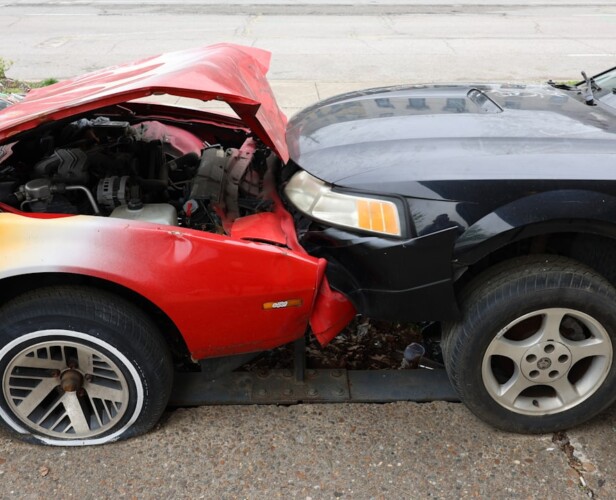
Who Is Liable If You’re In An Accident In A Rental Car?

When you find yourself in an accident while driving a rental car, understanding liability is crucial for managing any resultant claims or damage expenses. The responsibility for costs can vary significantly based on several factors, including insurance coverage, rental agreements, and the circumstances of the accident. This comprehensive guide explores who is liable if you’re in an accident in a rental car, covering essential details about insurance options, state laws, and what to do following an incident.
Understanding Liability in Rental Car Incidents
Liability in a rental car accident generally lies with either the driver or the rental car company, depending on multiple factors. Key points to consider include:
- Insurance coverage you possess.
- The rental company’s terms and conditions.
- The details surrounding the accident.
Who Is Typically Liable?
In most cases, the driver of the rental car will be liable for any damages or injuries caused during an accident. However, there are exceptions. Here’s a closer look at the involved parties:
The Driver’s Liability
The driver is usually responsible for:
- Traffic violations committed during the rental period, such as speeding or running a red light.
- Damages incurred due to negligence, like failing to maintain control of the vehicle.
- Injuries sustained by another party as a result of the driver’s actions.
The Rental Company’s Liability
In certain scenarios, the rental company may share liability, particularly if:
- The vehicle had a mechanical failure caused by poor maintenance.
- The rental agreement had specific clauses that limit driver liability.
- The company failed to adequately inform the driver of any pre-existing issues with the vehicle.
Insurance Coverage Considerations
Your insurance coverage plays a significant role in determining liability. It can often cover damages resulting from accidents in rental cars. The main types of insurance to consider include:
Personal Auto Insurance
If you have personal auto insurance, it typically extends to rental vehicles. This coverage may include:
- Liability coverage for bodily injury and property damage.
- Collision coverage for damage to the rental vehicle.
- Comprehensive coverage for non-collision events, like theft or vandalism.
Credit Card Insurance
Many major credit cards offer rental car insurance when you use the card to pay for the rental. This might include:
- Collision damage waiver (CDW).
- Liability coverage (sometimes limited).
- Exclusions or limitations to what is covered, often including rentals in certain countries.
Insurance Offered by Rental Companies
Rental companies often provide additional insurance options, such as:
- Collision Damage Waiver (CDW): Covers damage to the rental car.
- Liability Coverage: Provides extra liability protection beyond what your personal policy may offer.
- Personal Accident Insurance: Covers medical expenses for you and your passengers.
State Laws and Their Impact
Liability laws vary by state, influencing who pays for damages. Some states operate under a “fault” system, while others follow a “no-fault” system. Consider these aspects:
Fault-Based States
In fault-based states, the driver who caused the accident is responsible for damages. The process generally involves:
- Determining liability through police reports and witness statements.
- Filing claims with the at-fault driver’s insurance.
No-Fault States
In no-fault states, each party’s insurance covers their own damages, regardless of who caused the accident. Key points include:
- Limited ability to sue for damages unless severe injuries occur.
- Involvement of personal injury protection (PIP) insurance.
Steps to Take After an Accident
Knowing how to respond after an accident in a rental car is crucial. Follow these steps:
Safety First
- Ensure everyone is safe and call 911 if necessary.
- Move to a safe location, if possible.
Document the Incident
Gather evidence that can support your case:
- Take photos of the scene, vehicle damage, and any injuries.
- Collect contact information from other drivers and witnesses.
- Obtain a copy of the police report if law enforcement responds.
Notify the Rental Company
Contact the rental agency as soon as possible to inform them of the accident. They will require:
- Details of the incident.
- Documentation you gathered.
File an Insurance Claim
Reach out to your insurance provider and file a claim. Be prepared to provide:
- All documentation from the accident.
- The rental agreement and any relevant insurance details.
Conclusion
Determining who is liable if you’re in an accident in a rental car involves various factors, including driver actions, insurance coverage, and state laws. Always review your personal auto insurance and understand the rental company’s policies before driving off the lot. In the unfortunate event of an accident, prioritize safety, document the scene accurately, and communicate promptly with both the rental company and your insurance provider.