Where Do Most Car Accidents Happen?

When discussing car accidents, understanding where they most frequently occur can help in preventing them. Statistically, certain locations are more prone to incidents, making it essential for drivers to be aware of these hotspots. In this blog post, we will explore the different places where most car accidents happen and how they correlate with various factors such as time of day, weather conditions, and driver behavior.
Common Locations for Car Accidents
Most car accidents happen in predictable locations. Recognizing these areas can aid drivers in enhancing their awareness and taking precautionary measures. The following sections outline key places where car accidents frequently occur.
Intersections
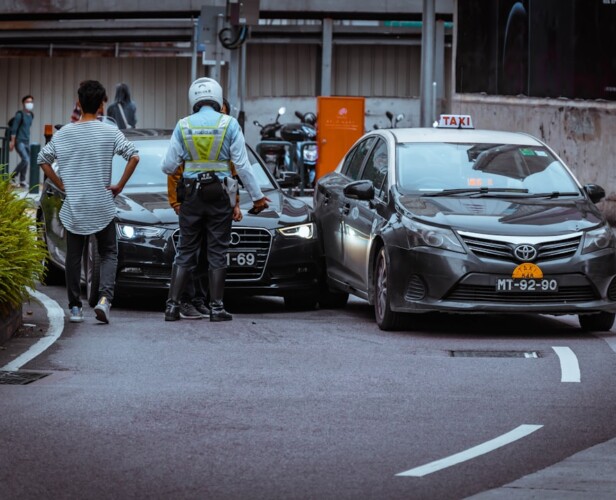
Intersections are among the most common locations for car accidents. They account for a significant percentage of all collisions due to several contributing factors.
- Traffic Signals: Many crashes occur at traffic lights, particularly during red-light violations.
- T-bone Accidents: Vehicles often collide when one driver fails to yield at an intersection, leading to side-impact crashes.
- Confusing Layouts: Some intersections have complicated designs that can confuse drivers, increasing the risk of accidents.
Highways
Highways, particularly those with high-speed limits, are another frequent site for accidents. Several factors contribute to the dangers found on highways:
- Speeding: Vehicles traveling at high speeds can result in severe accidents due to reduced reaction times.
- Lane Changes: Improper lane changes often lead to collisions; drivers may not check blind spots adequately.
Parks and Parking Lots
Parks and parking lots, though seemingly safe, are also common locations for accidents. Various scenarios can lead to incidents in these areas:
- Reversing Accidents: Many accidents occur when drivers back out of parking spaces without checking their surroundings.
- Pedestrian Interactions: Areas with high foot traffic increase the likelihood of accidents involving pedestrians.
Rural Roads
Rural roads can be deceptively dangerous, accounting for a significant number of accidents. Key reasons include:
- Wildlife Crossings: Encounters with animals such as deer can lead to serious collisions.
- Poor Visibility: Often less maintained, rural roads may lack adequate lighting or signage, increasing accident risk.
Time of Day Influences
The time of day also plays a crucial role in determining where most car accidents happen. Understanding peak accident times can assist drivers in planning safer travel times.
Nighttime Driving
Nighttime driving poses additional risks due to decreased visibility. Key factors include:
- Low Visibility: Darkness can hinder drivers’ ability to see pedestrians, road signs, and other vehicles.
- Fatigue: Drivers may experience drowsiness, which significantly increases the chance of accidents.
Rush Hour
Accidents increase significantly during rush hour times. This is typically characterized by:
- Increased Traffic: A higher volume of vehicles on the road leads to more collisions.
- Driver Frustration: Stress from congested traffic can lead to aggressive driving behaviors.
Weather Conditions
Weather significantly affects the frequency and severity of car accidents. Understanding how different conditions impact driving can reduce risks.
Rain and Wet Conditions
Rain is one of the leading causes of increased accident rates due to several factors:
- Reduced Traction: Wet roads make it difficult for tires to grip, increasing stopping distances.
- Visibility Issues: Rain can obscure visibility significantly, making it challenging to see ahead.
Snow and Ice
Winter weather leads to some of the most dangerous driving conditions. Factors affecting accidents during these conditions include:
- Slippery Roads: Ice can cause vehicles to lose traction and slide uncontrollably.
- Snow Accumulation: Heavy snowfall may hide road markers and create obstacles, increasing accident potential.
Foggy Conditions
Fog drastically reduces visibility, leading to increased risks of collisions. Key points to consider are:
- Limited Sight Distance: Drivers may not see vehicles until it’s too late.
- Increased focus required: Fog demands more attention from drivers, raising the risk of accidents.
Factors Contributing to Accidents
Several factors contribute to the prevalence of car accidents. Specifically understanding these can lead to more careful driving practices.
Distracted Driving
Distractions are one of the leading causes of car accidents. Common distractions include:
- Mobile Devices: Texting, calling, or using apps while driving distracts focus from the road.
- In-Car Distractions: Adjusting the radio or dealing with passengers can divert attention.
Driving Under the Influence
Alcohol and drugs significantly impair driving abilities, contributing to many accidents. Key statistics include:
- Impaired Judgment: Intoxicated drivers may make hazardous decisions.
- Slowed Reaction Times: Reaction times are severely diminished under the influence of substances.
Speeding
Speeding remains a critical factor in the severity of accidents. The relationship between speed and accident outcomes includes:
- Increased Impact Force: Higher speeds result in more severe collisions.
- Less Reaction Time: Speed reduces the time available to react to sudden changes on the road.
Conclusion
Knowing where most car accidents happen enhances awareness and promotes safer driving practices. By focusing on high-risk areas, peak times, and adverse weather conditions, drivers can take steps to mitigate their risk. Utilizing this knowledge helps protect not only oneself but also other road users. Always practice defensive driving techniques to navigate roads safely and effectively.