What Percentage Of People Die In Car Accidents?

Understanding the percentage of people who die in car accidents is crucial for raising awareness about road safety and implementing measures to reduce fatalities. According to recent statistics, approximately 1.26 million people die globally each year due to road traffic accidents. This data emphasizes the need for improved safety protocols and education regarding responsible driving habits.
What Percentage of People Die in Car Accidents?
Globally, the percentage of people who die in car accidents is about 1.35% of all deaths per year. This statistic highlights the significant impact that traffic accidents have on mortality rates worldwide. In the United States alone, the National Highway Traffic Safety Administration (NHTSA) reported that in 2020, there were about 38,680 fatalities from motor vehicle crashes, averaging roughly 11.2 deaths per 100,000 people in the population.
The Impact of Car Accidents on Society
Car accidents not only result in loss of life but also have far-reaching effects on society as a whole. The consequences include:
- Emotional Toll: Grief and mental health issues affect families and friends of victims.
- Economic Costs: The economic burden includes medical costs, legal fees, and loss of productivity, estimated at billions of dollars annually.
- Healthcare Strain: Hospitals face increased demand for trauma care and rehabilitation services.
- Legal Repercussions: Increased litigations related to accidents lead to higher insurance premiums and policy changes.
Factors Contributing to Car Accidents
Several key factors contribute to the rate of car accidents and fatalities:
1. Distracted Driving
Distracted driving is one of the leading causes of car accidents. Common distractions include:
- Using a mobile phone for texting or calls
- Adjusting music or navigation systems
- Engaging with passengers or pets
In 2019, distracted driving accounted for 9% of fatal crashes, underscoring the importance of focused driving.
2. Speeding
Speeding significantly increases the likelihood of severe accidents. It decreases reaction time and limits the ability to maneuver safely. Statistics show that speeding contributed to 26% of all traffic fatalities.
3. Driving Under the Influence
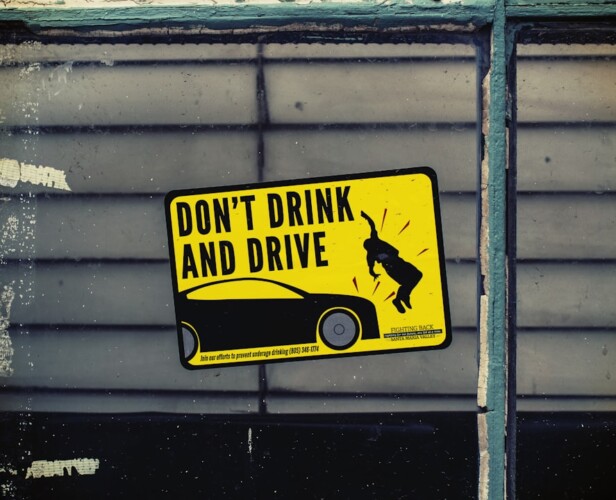
Driving under the influence of alcohol or drugs compromises the driver’s ability to operate a vehicle safely. In 2020, over 11,000 fatalities were attributed to drunk driving, representing about 30% of total traffic deaths.
4. Weather Conditions
Poor weather conditions, including rain, snow, fog, and ice, can drastically increase accident rates. Drivers are less capable of maintaining control, and the risk of accidents rises significantly.
Demographics of Car Accident Fatalities
Understanding the demographics affected by car accidents can help target interventions more effectively. The following groups are particularly vulnerable:
1. Age Groups
Young drivers, particularly those aged 16-24, are often involved in a higher proportion of fatal accidents. Their inexperience and tendencies to engage in risky behaviors contribute to this statistic.
2. Gender
Males are more likely than females to be involved in car accidents and account for about 70% of road traffic deaths. This disparity can be attributed to various factors, including risk-taking behavior.
3. Geographic Location
Urban areas often report higher accident rates due to increased traffic density and complexity. Conversely, rural areas may experience fatal accidents due to higher speeds and longer response times for emergency services.
Global Comparisons of Car Accident Deaths
Car accident statistics vary widely across different countries and continents. Here are some critical comparisons:
- United States: 11.2 deaths per 100,000 people
- Europe: Average of 5.5 deaths per 100,000 people, due to stricter regulations and better road infrastructure
- Developing Countries: Higher rates, sometimes exceeding 20 deaths per 100,000 people, often due to inadequate road safety measures
Steps to Reduce Car Accident Fatalities
To address the alarming percentage of people dying in car accidents, several proactive measures can be implemented:
1. Implementing Strict Traffic Laws
Governments should enforce stricter penalties for violations, such as speeding, distracted driving, and DUI.
2. Increasing Public Awareness
Public awareness campaigns can educate drivers about the dangers of distracted driving and the importance of adhering to speed limits.
3. Enhancing Road Infrastructure
Investing in better road designs, improved signage, and effective lighting can mitigate accident risks. Roundabouts, pedestrian crossings, and dedicated bike lanes often contribute to safer roads.
4. Encouraging Defensive Driving Courses
Promoting defensive driving classes can equip drivers with the skills needed to anticipate and respond to potential hazards on the road.
Conclusion
The statistics surrounding car accidents and fatalities reveal a pressing public health issue. With approximately 1.35% of all deaths attributable to car accidents, understanding the underlying causes and taking meaningful action is essential. By addressing factors like distracted driving, speeding, and impaired driving, and improving public awareness and road infrastructure, we can contribute significantly to reducing the percentage of people who die in car accidents. Prioritizing safety on our roads benefits not only drivers but also communities as a whole.