What Are The Odds Of A Car Accident?
Understanding the odds of a car accident is crucial for drivers, passengers, and pedestrians alike. Car accidents are common occurrences, but many individuals remain unaware of the specific statistics surrounding them. By exploring these statistics, we can better understand our risk and take necessary precautions. In this blog post, we will delve into the odds of a car accident, discuss factors affecting those odds, and offer tips on how to reduce your risk on the road.
What Are the Odds of a Car Accident?
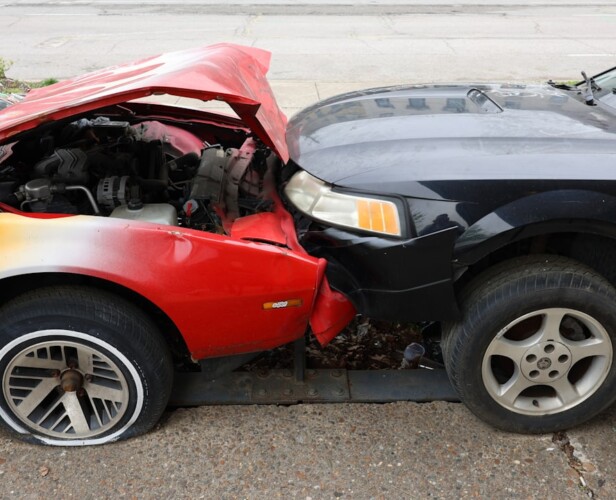
The odds of being involved in a car accident are significant. According to the National Highway Traffic Safety Administration (NHTSA), the average driver will experience a vehicle collision roughly once every 18 years. In numerical terms, that represents a probability of about 5.4% for a driver to be involved in a car accident each year. The likelihood may vary based on several factors such as location, driving behavior, and vehicle type.
Factors Affecting Car Accident Odds
While the general odds provide a baseline, various factors can significantly influence the likelihood of being involved in a car accident. Consider the following factors:
1. Geographic Location
- Urban vs. Rural: Urban areas have higher accident rates due to traffic density.
- State Regulations: Some states have stricter traffic laws which can reduce accidents.
- Weather Conditions: Poor weather conditions like rain, snow, or fog can increase the odds of accidents.
2. Driver Behavior
- Speeding: Higher speeds increase both the likelihood of an accident and the severity of injuries.
- Distracted Driving: Texting or using a phone leads to significant increases in crash rates.
- Driving Under the Influence: Alcohol or drug impairment dramatically raises the odds of being involved in an accident.
3. Vehicle Type
- Size and Weight: Larger and heavier vehicles, like SUVs and trucks, may be involved in fewer accidents.
- Safety Features: Cars equipped with advanced safety features tend to have lower accident rates.
- Aging Vehicles: Older vehicles may lack modern safety technology, increasing the risk of accidents.
Statistics on Car Accidents
To better comprehend the odds of a car accident, it’s essential to look at relevant statistics. Here are some notable figures:
Annual Statistics
- In 2021, approximately 42,915 lives were lost in motor vehicle crashes in the United States.
- Nearly 6 million car accidents occur each year in the U.S.
- The fatality rate is around 1.37 deaths per 100 million vehicle miles traveled.
Demographic Insights
Different age groups exhibit varying odds of being involved in car accidents:
- Teen Drivers: Drivers aged 16-19 are three times more likely to be involved in fatal crashes than older drivers.
- Older Drivers: Drivers over 65 are at increased risk due to potential declines in vision and reaction time.
How to Reduce Your Odds of a Car Accident
Reducing your chances of getting into a car accident involves proactive measures. Here are actionable steps to enhance safety:
1. Adhere to Traffic Laws
Follow speed limits, stop at red lights, and observe other traffic regulations. To heighten safety, always:
- Use turn signals when changing lanes or turning.
- Yield to pedestrians at crosswalks.
2. Avoid Distractions
Minimize distractions while driving to maintain focus. Effective strategies include:
- Stowing away your mobile devices before starting your journey.
- Using hands-free devices for calls if necessary.
3. Maintain Your Vehicle
Keeping your vehicle well-maintained can prevent malfunctions that lead to accidents. Regular maintenance should involve:
- Checking tire pressure and tread depth.
- Ensuring brakes are in optimal condition.
4. Stay Sober
Avoid driving under the influence of alcohol or drugs. To promote safety, consider:
- Designating a sober driver when attending events.
- Utilizing ride-sharing services or public transportation when necessary.
Conclusion
Understanding the odds of a car accident helps in making informed decisions while driving. Statistically, the chances of being involved in a collision are meaningful, influenced by numerous factors including personal behavior and environmental conditions. By practicing safe driving techniques, adhering to traffic laws, and maintaining your vehicle, you can significantly reduce your risk. Stay vigilant, stay safe, and remember that awareness is key to preventing accidents on the road.