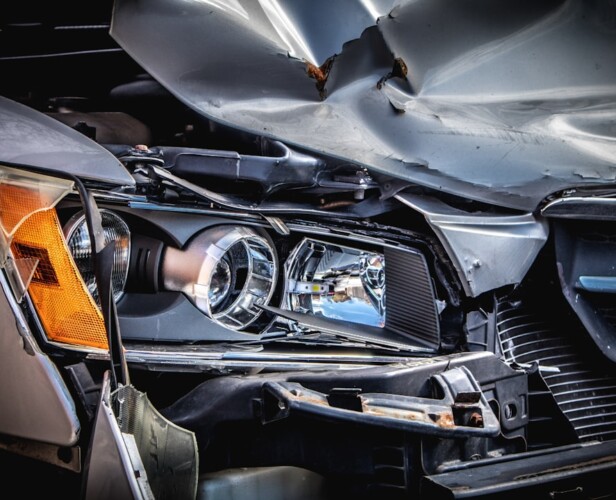
How To Check If A Car Was In An Accident?

Checking if a car was in an accident is crucial for any potential buyer. Understanding a vehicle’s accident history can prevent future headaches related to repairs and safety. In this guide, you’ll learn how to check if a car was in an accident using various methods and resources available to you.
Why Knowing a Car’s Accident History is Important
To make an informed decision when purchasing a used car, it is vital to know if it has been involved in an accident. Here are several reasons why understanding a car’s accident history is essential:
- Safety Concerns: A car that has been in a serious accident may have hidden structural damage affecting its safety.
- Resale Value: Cars with accident histories typically have a lower resale value. This can impact your investment significantly.
- Repair Costs: Knowing if the car has previously been repaired after an accident can help you anticipate future repair costs.
- Insurance Rates: Some insurance companies may charge higher premiums for cars that have been in accidents.
How to Check If a Car Was in an Accident
To determine whether a car has been in an accident, follow these methods:
1. Obtain a Vehicle History Report
A vehicle history report provides comprehensive information about a car’s past. To obtain this report:
- Choose a Service: Use reputable services like Carfax or AutoCheck.
- Provide the VIN: Enter the 17-character Vehicle Identification Number (VIN) of the car. The VIN is usually located on the dashboard or inside the driver’s door frame.
- Review the Report: Look for sections detailing accidents, previous owners, and maintenance records.
2. Inspect the Car Physically
Conducting a physical inspection can reveal signs of prior accidents. Consider the following:
- Look for Paint Differences: Check for inconsistent paint on different panels, which may indicate a repair.
- Examine Body Panels: Inspect for dents, gaps, or misalignments in body panels, suggesting previous damage.
- Check for Rust or Corrosion: Heavy rust might suggest poor repairs from prior accidents.
3. Ask the Seller Questions
Direct inquiries can provide insights about the vehicle’s history. When speaking with the seller, consider asking:
- Has the car been in any accidents?
- What repairs were made following any accidents?
- Do you have documentation to support any claims of repairs?
4. Seek Professional Inspection
If unsure about inspecting the vehicle yourself, hire a professional mechanic who specializes in inspections. Here’s how to proceed:
- Find a Certified Mechanic: Look for mechanics with good reviews and certification in vehicle inspections.
- Schedule an Inspection: Arrange for a thorough check, focusing on areas prone to damage during accidents.
- Review Findings: Discuss the inspection results in detail with the mechanic.
Online Resources for Accident Records
In addition to obtaining a vehicle history report, several online resources can provide accident information:
1. National Highway Traffic Safety Administration (NHTSA)
The NHTSA maintains records of recalls and safety-related issues. Visit their website to check:
- Recalls: Identify if there were any recalls due to accidents or safety defects.
- Complaints: Review owner complaints related to accidents for the specific vehicle model.
2. Insurance Companies
Some insurance companies offer their customers the ability to check a vehicle’s history through their websites. You may also inquire directly with the seller or current owner about their insurer’s records.
3. Local Government and Law Enforcement
Your local Department of Motor Vehicles (DMV) or police department may have information regarding recorded accidents. Here’s how to access it:
- Visit the DMV: Request accident records by providing the VIN and possibly paying a small fee.
- Contact Local Police: Inquire directly about accidents reported in your area involving the vehicle.
Signs of Previous Accidents to Look Out For
When examining a vehicle, be aware of specific signs that indicate it may have been in an accident:
- Frame Damage: Visual indicators such as bent frames or uneven body lines often point to major repairs.
- New Parts: Replacement parts that do not match the car’s overall condition may signify repairs from an accident.
- Airbag Deployment: Check if airbags have been deployed. Replaced airbags might hint at significant impact.
Final Thoughts
Determining whether a car has been in an accident requires cautious investigation and the use of multiple resources. By following the steps outlined in this guide, you can protect yourself from potential risks associated with buying a vehicle that has experienced prior damage. Always conduct thorough checks and seek professional assistance if necessary. Remember, being informed is key to making a sound investment in your next vehicle.