How Much Does A Car Depreciate After An Accident?

When a car is involved in an accident, its market value often declines due to damage history. This phenomenon is referred to as depreciation. Understanding how much a car depreciates after an accident is crucial for buyers, sellers, and insurance companies alike. Various factors influence the extent of depreciation, typically leading to significant financial implications for owners.
Understanding Car Depreciation After an Accident
Car depreciation refers to the reduction in a vehicle’s value over time. After an accident, depreciation can increase dramatically due to several factors. To get a clearer picture, let’s explore the key aspects influencing depreciation after an accident.
Factors Affecting Depreciation
- Severity of Damage: The more severe the damage, the greater the depreciation. A minor fender bender may result in a 10-15% drop, while extensive damage could reduce value by 30% or more.
- Repair Quality: Poorly completed repairs can lead to lower resale values. Vehicles with quality repairs may retain more value.
- Vehicle Make and Model: Luxury cars often depreciate more significantly after an accident compared to economy models due to their higher initial value and repair costs.
- Market Demand: If the model is in high demand, it may not depreciate as steeply, even after an accident.
- Insurance History: Cars with frequent accidents in their history tend to have lower resale values.
How Much Does a Car Depreciate After an Accident?
A car can depreciate anywhere from 10% to 30% or more after an accident, depending on various factors outlined earlier. Here’s a breakdown of typical scenarios:
Minor Accidents
For minor accidents where damages are superficial, the depreciation is typically around:
- 10-15% for vehicles with a clean title post-repair.
- 7-12% if the repairs were documented and performed by reputable sources.
Moderate Accidents
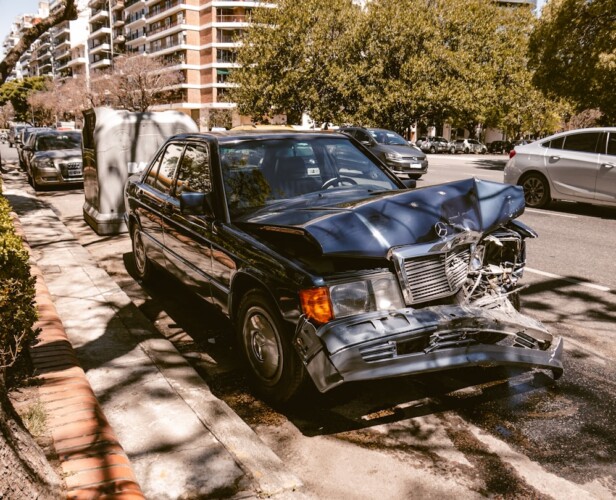
In cases of moderate accidents where there is structural damage but proper repairs are made, depreciation often results in:
- 15-25% reduction in value, especially if the vehicle has been certified as roadworthy after repairs.
- 20-30% decrease for luxury models with significant cosmetic damage.
Severe Accidents
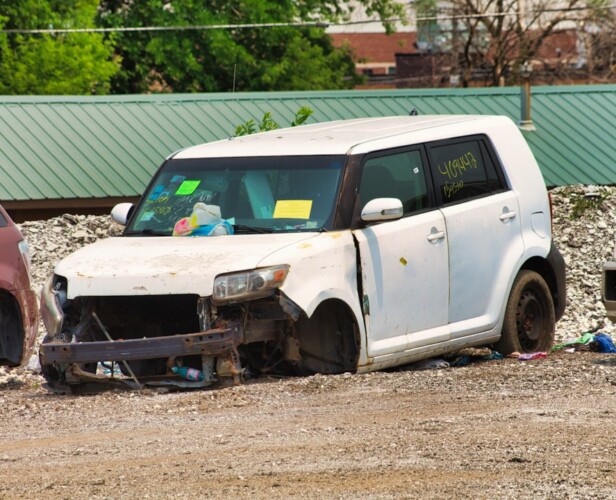
Severe accidents can drastically impact a car’s valuation, leading to:
- 30-50% depreciation or more for vehicles classified as a total loss or significantly damaged.
- 35-60% reduction in cases where frame damage is involved or when safety systems are compromised.
Long-Term Effects of Depreciation
It’s essential to understand that the effects of depreciation continue long after an accident. Here are some long-term impacts:
Resale Value Impact
When attempting to sell a car after an accident, be aware of the following:
- Cars with accident histories tend to sit longer on the market.
- Prospective buyers often negotiate price reductions based on previous damages.
Insurance Premiums
Another consequence of an accident is the potential rise in insurance premiums. Expect:
- Higher rates if you file a claim for repairs.
- A potential increase in rates for multiple claims regardless of being at fault.
Maintaining Value After a Repair
After experiencing an accident, you can take steps to mitigate depreciation:
Choose Quality Repairs
Selecting a qualified repair shop can greatly affect post-repair value. Ensure:
- Repairs comply with manufacturer standards.
- Original parts are used whenever possible.
Document Everything
Keep thorough records of all repairs and maintenance. This includes:
- Before-and-after photos.
- Invoices from repairs and services.
Consider a Vehicle History Report
Providing potential buyers with a vehicle history report can alleviate concerns about past accidents, showcasing:
- The extent of damages and repairs.
- Confirmation of quality repairs and service history.
Conclusion
Understanding how much a car depreciates after an accident is vital for both current owners and prospective buyers. While the depreciation range can vary greatly from 10% to over 50%, the specific impact largely depends on the severity of the accident, repair quality, and other influencing factors. By taking proactive steps to ensure high-quality repairs and maintaining thorough documentation, vehicle owners can help mitigate the depreciation impact. Ultimately, awareness of these dynamics allows for more informed decisions when buying, selling, or insuring a car after an accident.