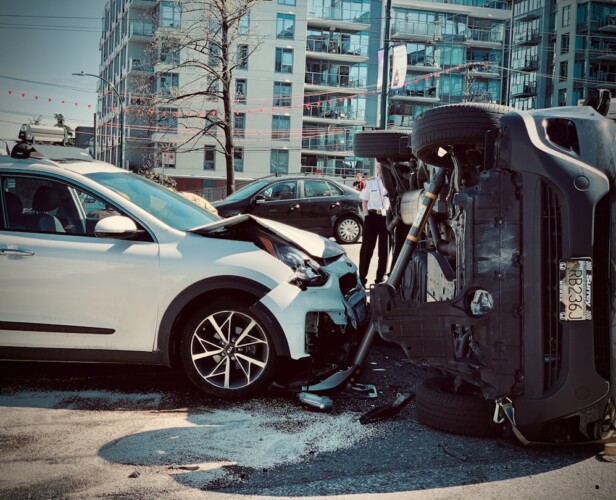
Who Determines Fault In A Car Accident?

Determining fault in a car accident is crucial for resolving insurance claims and potentially pursuing legal action. Generally, fault is established through an analysis of the circumstances surrounding the incident, including traffic laws, evidence from the crash scene, and witness statements. Understanding who determines fault in a car accident can clarify the process and assist drivers in navigating post-accident procedures.
Understanding Fault in Car Accidents
Fault in car accidents refers to the responsibility one party has for causing the collision. This determination affects insurance payouts and liability in personal injury lawsuits. Factors affecting fault include:
- Traffic laws violation
- Driver negligence
- Evidence collected at the scene
- Witness statements
Types of Fault Determination
There are various methodologies used to determine fault in car accidents. Understanding these can help when analyzing different situations:
- Comparative Negligence: This approach assigns a percentage of fault to each driver involved based on their actions leading to the accident.
- Contributory Negligence: In states with this rule, if a driver is found to have any fault in the accident, they may be barred from recovering damages.
- No-Fault System: Some states operate under a no-fault insurance system, meaning each driver’s insurance covers their own damages regardless of who’s at fault.
Who Investigates Fault?
Several parties play roles in determining fault after a car accident:
Insurance Companies
Insurance companies conduct investigations into car accidents to establish fault for claim purposes. They analyze the following:
- Police reports
- Damage assessments
- Statements from drivers and witnesses
- Photos or videos from the scene
Law Enforcement
Police officers often respond to car accidents and document the scene in a report. They assess the situation and can provide initial conclusions about fault based on:
- Traffic laws violated
- Conditions at the time of the accident (weather, road conditions)
- Injuries reported
Judicial System
If disputes over fault arise, cases may go to court. In such instances, a judge or jury evaluates evidence and determines fault based on:
- The testimonies presented
- Documentary evidence (emails, messages)
- Expert witness opinions
Factors Influencing Fault Determination
Various factors can influence how fault is determined in a car accident:
Traffic Laws
Understanding local traffic laws is vital as they set the standards for legal driving behavior. Common violations include:
- Running a red light
- Speeding
- Driving under the influence
Evidence at the Scene
Gathering evidence directly at the scene can significantly impact fault determination. Key types of evidence include:
- Photographs of vehicle positions and damage
- Dashcam footage
- Witness contact information
Driver Behavior
Behavioral factors, such as distracted driving or road rage incidents, often heavily influence fault determinations. Relevant behaviors may consist of:
- Using a mobile phone while driving
- Disregarding traffic signals
- Excessive lane changing without signaling
Steps to Take After a Car Accident
After a car accident, taking specific steps can aid in the accurate determination of fault:
1. Ensure Safety
Prioritize safety by moving to a secure location if possible and checking if anyone is injured.
2. Call the Authorities
Contact law enforcement to report the accident and request assistance. Obtain the police report once it’s complete.
3. Collect Evidence
Take comprehensive notes and photographs. Document vehicle damage, road conditions, and relevant traffic signs.
4. Gather Witness Information
Ask for contact details of witnesses who observed the incident. Their accounts may prove helpful during the investigation.
5. Notify Insurance Companies
Inform your insurance provider promptly about the accident, providing them with all gathered evidence.
Common Misconceptions About Fault
Misinformation about fault in car accidents can lead to confusion. Here are some common misconceptions debunked:
Myth: The Driver Who Was Hit is Always Not at Fault
Truth: The driver who gets hit can also bear some responsibility, depending on the circumstances surrounding the accident.
Myth: Police Determine Legal Fault
Truth: While police offer valuable insights, they do not have legal authority to determine fault; that responsibility lies with insurance companies and the judicial system.
Myth: Admitting Fault Means You Can’t Recover Damages
Truth: Admitting partial fault doesn’t negate the possibility of receiving compensation. Many states allow the injured party to recover damages based on comparative negligence findings.
Conclusion
Determining fault in a car accident involves a multifaceted approach that combines legal standards, evidence evaluation, and individual circumstances. Knowing who determines fault in a car accident is essential for navigating the aftermath effectively. Whether it is through insurance investigations, police reports, or court proceedings, understanding these processes significantly aids in managing the consequences of an accident.
By staying informed and prepared, drivers can ensure they handle the situation appropriately, making the recovery process smoother and more efficient.