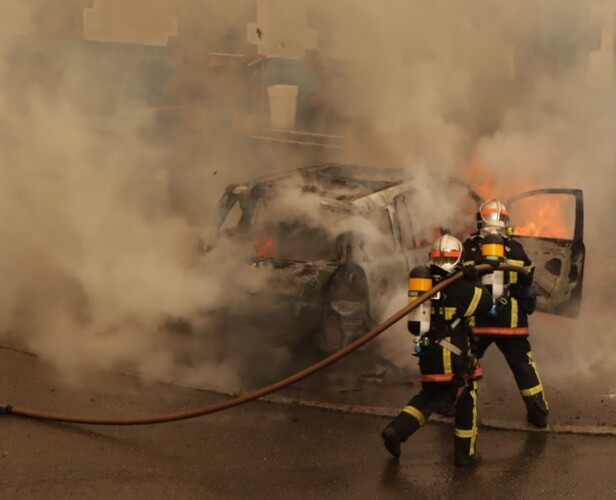
What To Do If You Witness A Car Accident?

Witnessing a car accident can be a shocking experience, leaving many unsure of how to react. Knowing what to do if you witness a car accident is crucial for the safety of those involved and can help law enforcement address the situation effectively. This guide will outline the immediate actions you should take, how to ensure your safety, and the information you should provide to authorities.
Immediate Steps to Take After Witnessing a Car Accident
1. Ensure Your Safety First
To protect yourself and others, follow these steps:
- Assess the scene for dangers: Look for potential hazards like leaking fuel or oncoming traffic.
- Stay at a safe distance: Maintain a safe distance from the vehicles involved until it is safe to approach.
- Move to a safe location: If you are in a dangerous position, relocate to a nearby area where you are safe.
2. Call Emergency Services
Once you are safe, contact emergency services immediately. Here’s how:
- Dial the emergency number (e.g., 911 in the U.S.) and provide the following information:
- Your location, including landmarks or road names.
- The number of vehicles involved and the conditions of the scene.
- Whether anyone appears to be injured.
- Stay on the line: Answer any questions the dispatcher asks and provide additional information if needed.
Providing Assistance
1. Check on the Victims
If it is safe to do so, check on the individuals involved in the accident:
- Ask if they need medical assistance.
- Do not attempt to move injured individuals unless there is an immediate threat (like fire).
- Reassure them while waiting for professional help to arrive.
2. Offer Basic First Aid
If you are trained in first aid and it is safe to approach:
- Apply pressure to any bleeding wounds.
- Keep victims calm to reduce shock.
- Monitor their condition until medical help arrives.
Documenting the Accident
1. Gather Information
Collect detailed information to assist law enforcement:
- License plate numbers of all vehicles involved.
- Contact information of drivers and passengers.
- Witnesses’ names and phone numbers, including your own.
2. Take Pictures and Write Notes
Visual documentation can be invaluable. Here’s what to do:
- Use your phone to take pictures of:
- The entire accident scene from multiple angles.
- The damage to all vehicles involved.
- Any relevant road signs or signals nearby.
- Write down your observations, including:
- The time and date of the accident.
- The weather conditions.
- A description of how the accident occurred.
Interacting with Law Enforcement
1. Provide a Clear Statement
When speaking to police officers:
- Be honest and provide accurate details about what you witnessed.
- Avoid speculating on fault; stick to factual observations.
- Provide your contact information for follow-up questions.
2. Understand Your Legal Obligation
Familiarize yourself with local laws regarding witnessing accidents:
- In some jurisdictions, you may be required to stay and provide your account.
- Know the Good Samaritan laws that protect bystanders who assist victims.
Emotional Aftermath for Witnesses
1. Recognize Your Feelings
Witnessing a car accident can cause various emotional reactions:
- Shock, fear, or guilt are common feelings after such events.
- Understand that these emotions are natural and can manifest differently over time.
2. Seek Support if Needed
If you’re struggling with your emotions after witnessing an accident:
- Talk to a friend or family member about your experience.
- Consider professional counseling if feelings persist or worsen.
Conclusion
Knowing what to do if you witness a car accident is essential for ensuring the well-being of all involved parties. By prioritizing safety, contacting emergency services, providing assistance, documenting the event, and interacting with law enforcement, you can play a vital role in the aftermath of an accident. Remember that your actions can save lives and provide crucial support during a critical time.