What Time Of Day Do Most Car Accidents Happen?

Most car accidents happen during the late afternoon and early evening hours, specifically between 4 PM and 7 PM. This period often experiences the highest traffic volume, combined with factors like reduced daylight and driver fatigue, making it particularly prone to collisions. Understanding when and why these accidents occur can help in taking preventive measures.
Understanding Peak Accident Times
The patterns of car accidents are influenced by various factors including time of day, weather conditions, and driver behavior. Analyzing data from traffic accidents reveals clear trends regarding peak times for incidents.
Daily Traffic Patterns
Traffic volume fluctuates throughout the day, leading to different levels of risk for accidents. Understanding these fluctuations can provide insight into the heightened likelihood of accidents during specific times.
- Morning Rush Hour: Typically occurs between 7 AM and 9 AM. Commuters heading to work create congestion.
- Midday Lull: Between 10 AM and 3 PM, traffic tends to be lighter, thus reducing accident frequency.
- Evening Rush Hour: From 4 PM to 7 PM, this period sees a spike in accidents as people leave work and head home.
- Late Night Driving: After 9 PM, while traffic is lighter, the likelihood of accidents increases due to factors like impaired driving and fatigue.
Factors Contributing to Accidents by Time
Various factors contribute to the increased risk of car accidents at different times of the day. Understanding these factors can help drivers become more aware and take necessary precautions.
Evening Hour Risks
During the evening rush hour, several factors elevate the risk of accidents:
- Increased Traffic Volume: Higher numbers of cars on the road lead to more opportunities for collisions.
- Driver Fatigue: Many drivers are tired after a long day, leading to slower reaction times.
- Reduced Visibility: As daylight fades, visibility decreases, making it harder to see pedestrians and other vehicles.
Nighttime Hazards
Driving at night presents unique challenges that contribute to higher accident rates:
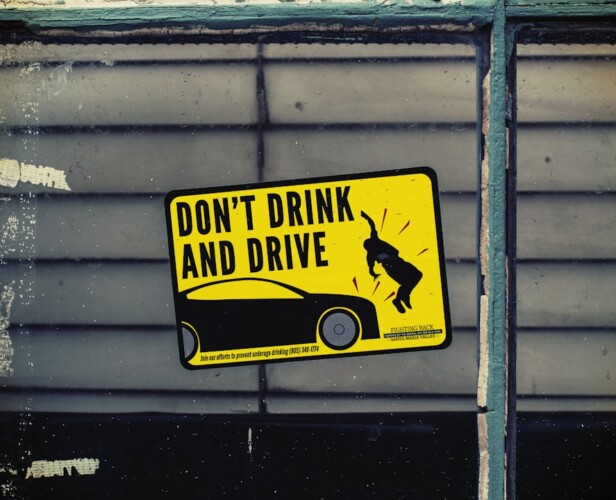
- Impaired Drivers: A significant number of nighttime accidents involve drivers under the influence of alcohol or drugs.
- Fatigue: Late-night driving can result in drowsy drivers who are unable to stay alert.
- Less Surveillance: Fewer police patrols at night may lead to reckless driving behavior going unchecked.
Accident Statistics by Time of Day
Statistical analysis provides concrete insights into when most accidents occur. According to the National Highway Traffic Safety Administration (NHTSA) and other research organizations, the following statistics reveal peak accident times:
Hourly Breakdown of Car Accidents
The following data outlines the number of accidents reported by hour, emphasizing the risk levels:
- 4 PM – 5 PM: 20% of daily accidents occur, significantly higher than other times.
- 5 PM – 6 PM: 18% of accidents reported are noted in this hour.
- 6 PM – 7 PM: 15% of accidents happen here, maintaining high rates of incidents.
- 12 AM – 3 AM: 10% of accidents occur but are often severe due to higher instances of impaired driving.
Strategies for Reducing Accidents
Recognizing the increased risk during certain times can motivate drivers to adopt safer practices. Below are effective strategies for minimizing the chances of an accident.
Become a Defensive Driver
Defensive driving involves anticipating potential hazards and being prepared to react appropriately:
- Stay Alert: Always be aware of your surroundings and the behavior of other drivers.
- Maintain Safe Following Distances: Allow sufficient space between your vehicle and the one ahead.
- Limit Distractions: Avoid using mobile devices and other distractions while driving.
Adjust Driving Habits Based on Time
Adapting your driving behavior according to peak accident times can enhance safety:
- Plan Travel Times: If possible, avoid driving during peak rush hours.
- Use Headlights Wisely: Always use headlights in low visibility conditions or at night.
- Avoid Driving Under Influence: Never drive if you have consumed alcohol or drugs.
Importance of Awareness and Education
Awareness of accident statistics and factors can help both drivers and pedestrians mitigate risks:
- Community Programs: Local government and organizations can run campaigns to educate about safe driving practices.
- Driver Education: Schools and driving schools should emphasize the dangers associated with specific times of day.
- Public Information: Sharing statistics and safety tips through media platforms can keep the public informed.
Conclusion
In conclusion, most car accidents occur between 4 PM and 7 PM, largely attributed to high traffic, driver fatigue, and decreased visibility. By understanding these dynamics, drivers can implement safer driving habits, help reduce their own risk, and contribute to overall roadway safety. Adopting defensive driving techniques, planning travel times, and raising awareness can effectively lower the number of accidents during peak hours. As responsible drivers, prioritizing safety should always prevail over the urgency to reach a destination.