What Is Spoliation of Evidence in a Car Accident Case?

Spoliation of evidence refers to the intentional or negligent destruction, alteration, or failure to preserve evidence that is relevant to ongoing or potential litigation. In the context of a car accident case, spoliation can significantly impact the outcome, as it can hinder the ability of parties to present their claims effectively. This article will explore what spoliation of evidence entails in car accident cases, the legal implications, and ways to avoid it.
Understanding Spoliation of Evidence
To fully grasp the concept of spoliation, it is essential to understand its components and implications within legal proceedings, especially in car accident cases.
Definition of Spoliation
Spoliation occurs when a party intentionally or accidentally destroys, alters, or prevents the collection of evidence that could be significant to a legal case. In car accidents, this can include:
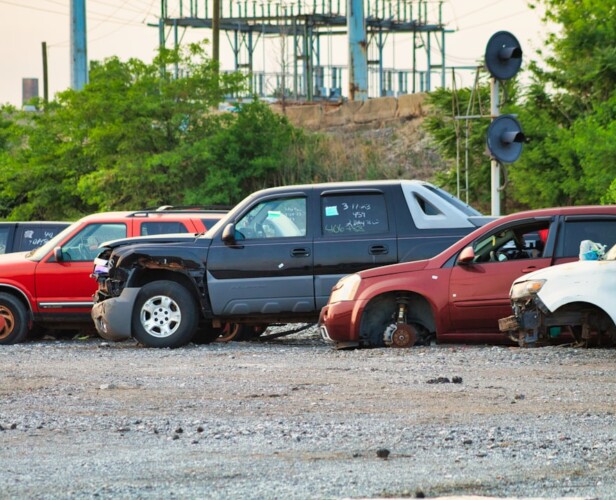
- Damaged vehicles not being preserved for inspection.
- Photos or videos of the accident scene deleted from devices.
- Witness statements not recorded or lost.
- Accident reports altered or incomplete.
Examples of Spoliation in Car Accident Cases
Here are specific scenarios that illustrate spoliation in car accident cases:
- Vehicle Destruction: If an involved party repairs or sells their vehicle before it can be examined, they may be spoliating evidence.
- Digital Evidence Loss: Deleting text messages or social media posts related to the accident can be considered spoliation.
- Failure to Preserve Dashcam Footage: Not saving videos from a vehicle’s dashcam that captured the accident can lead to loss of critical evidence.
Legal Implications of Spoliation
The legal ramifications of spoliation can be severe, potentially impacting the outcome of a case significantly.
Consequences of Spoliation
If a court determines that spoliation has occurred, it may impose various penalties, including:
- Adverse Inference Instruction: A judge may allow the jury to presume that the destroyed evidence was unfavorable to the party responsible for the spoliation.
- Monetary Sanctions: The court may require the spoliating party to pay fines or legal fees incurred due to the spoliation.
- Dismissal of Claims or Defenses: In extreme cases, a case may be dismissed if spoliation is found to be egregious.
Proving Spoliation of Evidence
To establish that spoliation has occurred, the following elements typically need to be proven:
- Evidence Existence: The evidence must have existed prior to its destruction or alteration.
- Knowledge: The party charged with spoliation must have known that the evidence was relevant to the litigation.
- Destruction or Alteration: There should be clear proof that the evidence was intentionally destroyed or altered.
- Prejudice: The opposing party must demonstrate that they were harmed by the lack of evidence.
Avoiding Spoliation in Car Accident Cases
Preventing spoliation is crucial for maintaining the integrity of a car accident case. Here are actionable steps to ensure evidence preservation.
Steps to Preserve Evidence
To avoid spoliation, consider the following actions:
- Document Everything: Take comprehensive photographs of the accident scene, damages, and any injuries immediately after the incident.
- Secure Witness Information: Collect contact details and statements from witnesses as soon as possible.
- Maintain Digital Evidence: Preserve any footage from dashcams, smartphones, or surveillance cameras relevant to the accident.
- Save Records: Keep copies of all medical records, police reports, and correspondence related to the case.
Legal Consultation
Consulting with an attorney can help navigate the complexities of evidence preservation. Attorneys can guide accident victims on:
- Identifying key pieces of evidence to retain.
- Understanding the timeline for preserving evidence.
- Navigating legal requirements for documentation.
Conclusion
Spoliation of evidence can dramatically affect the outcome of car accident cases. By understanding what constitutes spoliation, recognizing its legal implications, and taking proactive steps to preserve evidence, individuals involved in car accidents can protect their rights and strengthen their cases. It is vital to consult with legal professionals to ensure all evidence is maintained properly throughout the litigation process.