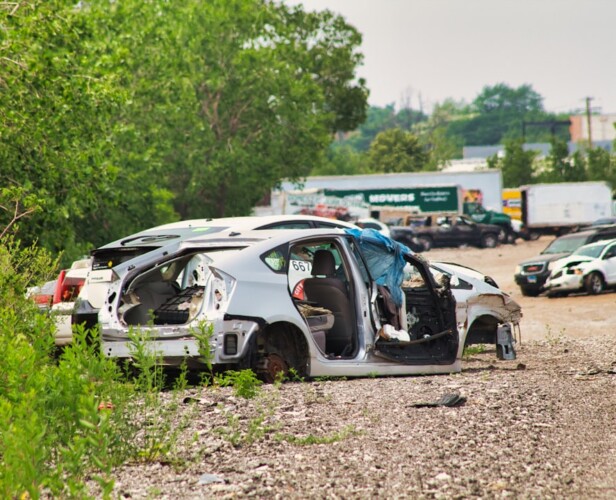
A car accident refers to an unexpected event involving one or more vehicles, often resulting in damage, injuries, or fatalities. Understanding what constitutes a car accident is crucial for drivers, pedestrians, and policymakers alike. This blog will cover the various types of car accidents, their causes, prevention methods, and legal implications.
Types of Car Accidents
Car accidents can vary widely in nature, and they can be categorized based on different factors. Here are the primary types:
1. Rear-End Collisions
Rear-end collisions occur when one vehicle strikes the back of another. Common causes include:
- Distracted driving
- Tailgating
- Sudden stops
2. Side-Impact Crashes
Also known as T-bone accidents, side-impact crashes happen when the front of one vehicle collides with the side of another. These often occur at intersections and can be severe.
3. Head-On Collisions
Head-on collisions involve two vehicles striking each other from opposite directions. These are among the most dangerous types of car accidents.
4. Single-Vehicle Accidents
A single-vehicle accident involves only one vehicle. Examples include:
- Hitting a stationary object, like a tree or pole
- Running off the road
- Overturning
5. Multi-Vehicle Pile-Ups
These accidents involve three or more vehicles. They often occur on highways during adverse weather conditions.
Common Causes of Car Accidents
1. Distracted Driving
Distracted driving is a leading cause of car accidents. It includes activities such as:
- Texting while driving
- Using GPS systems
- Talking on the phone
2. Speeding
Driving over the speed limit reduces the driver’s ability to react quickly to hazards. Speed increases both the likelihood of an accident and the severity of injuries sustained.
3. Driving Under the Influence
Alcohol and drugs impair judgment and reaction times. In fact, according to the National Highway Traffic Safety Administration, approximately 29 people die daily in alcohol-related accidents in the United States.
4. Weather Conditions
Poor weather conditions, such as rain, snow, or fog, contribute significantly to car accidents. Drivers should adjust their speed and increase following distances during these conditions.
5. Reckless or Aggressive Driving
Behaviors such as tailgating, weaving in and out of traffic, and road rage can increase the risk of accidents considerably.
Prevention Strategies for Car Accidents
Taking proactive measures can help prevent car accidents. Here are effective strategies to consider:
1. Stay Focused on the Road
Avoid distractions while driving. Keep your phone out of reach, and refrain from engaging in conversations that draw your attention away from driving.
2. Obey Traffic Laws
Follow all traffic signals, signs, and speed limits. Yield right-of-way when necessary to prevent accidents.
3. Use Safety Equipment
Always wear a seatbelt and ensure that all passengers do the same. Additionally, utilize child safety seats where applicable.
4. Maintain Your Vehicle
Regular maintenance helps ensure your vehicle operates safely. Check the brakes, tires, lights, and fluid levels routinely.
Legal Implications of Car Accidents
Car accidents carry various legal consequences, which can vary by jurisdiction. Understanding these implications is essential:
1. Liability
Determining who is at fault in a car accident is critical for handling insurance claims and potential lawsuits. Factors include:
- Traffic violations
- Negligence
- Road conditions
2. Insurance Claims
After a car accident, drivers should file claims with their insurance companies. Essential steps include:
- Documenting the scene
- Exchanging information with other drivers
- Gathering witness statements
3. Personal Injury Lawsuits
If injuries occur, victims may pursue personal injury claims against the at-fault driver to recover damages for medical expenses, lost wages, and pain and suffering.
Emotional and Psychological Impact of Car Accidents
Car accidents can also have lasting emotional and psychological effects on those involved. Recognizing these impacts is crucial for recovery.
1. Post-Traumatic Stress Disorder (PTSD)
Some individuals experience PTSD following a car accident. Symptoms may include:
- Flashbacks
- Avoidance of driving
- Increased anxiety
2. Depression and Anxiety
Many individuals suffer from depression or anxiety after an accident, affecting their daily lives and overall well-being.
3. Seeking Help
It’s important for victims to seek professional help if they experience lasting emotional trauma. Therapy and support groups can provide valuable resources for recovery.
Conclusion
A car accident is an unpredictable event that can lead to significant physical, emotional, and legal ramifications. By understanding the types and causes of car accidents, employing prevention strategies, and being aware of the legal implications, individuals can better navigate the challenges associated with these incidents. Always prioritize safety on the road to reduce the risks of becoming involved in a car accident.