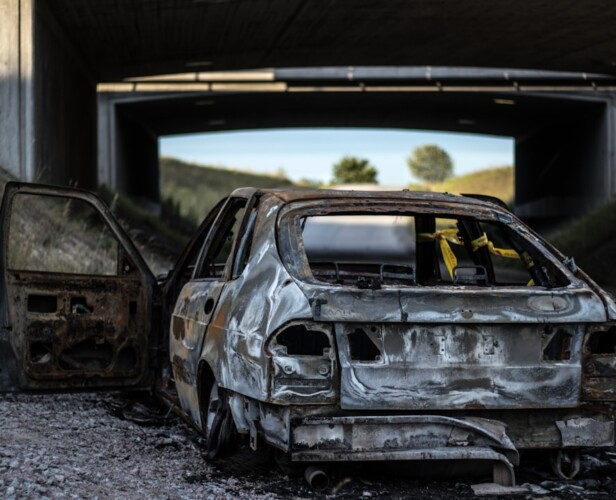
What Happens If You’re Rear-Ended While Stopped At A Railroad Crossing?

Being rear-ended while stopped at a railroad crossing can lead to confusion and concern. Understanding your rights, responsibilities, and the steps to take after such an incident is crucial for effective management of the situation. This blog will discuss the immediate actions you should take, possible liabilities, and insurance considerations when you are involved in a rear-end collision at a railroad crossing.
Immediate Actions After a Collision
Following a rear-end collision at a railroad crossing, it’s essential to act promptly. Here’s what you should do:
Check for Injuries
- Assess yourself and passengers for injuries.
- Call for medical help if anyone is injured.
Move to Safety
- If possible, move your vehicle out of the way of the tracks.
- Stay a safe distance from the railroad tracks to avoid another collision or train accident.
Contact Authorities
Notify law enforcement of the incident:
- Call 911 to report the accident and request police assistance.
- Provide details about the location and circumstances to the dispatcher.
Document the Scene
Gather evidence for your insurance claim:
- Take pictures of all vehicles involved and the surrounding area.
- Note the time, date, and weather conditions at the time of the accident.
- Collect contact information from witnesses.
Understanding Liability in Rear-End Collisions
Determining liability is critical in rear-end collisions, especially at railroad crossings. Typically, the following factors are considered:
Driver Responsibility
- In most cases, the driver who rear-ends another vehicle is held responsible for the collision.
- Factors like distracted driving, tailgating, or driving too quickly for conditions can impact liability.
Location-Specific Rules
Railroad crossings have specific rules due to their unique hazards:
- If you were stopped at a railroad signal when hit, the other driver may bear full responsibility.
- However, if you had not observed the warning signals properly, liability could be shared.
Contributory Factors
Consider other factors that may influence liability:
- Was there a malfunctioning traffic signal?
- Were you following proper traffic laws at the crossing?
Insurance Claims After a Collision
Filing an insurance claim is a necessary step after a rear-end collision. Here’s how to navigate the process effectively:
Notify Your Insurance Provider
- Contact your insurance agent as soon as possible to report the accident.
- Provide a detailed account of the events leading to the collision.
Gather Necessary Documentation
Compile documents that will support your claim:
- Accident report filed by the police.
- Medical records if treatment was received for injuries.
- Photos and witness statements collected at the scene.
Understand Your Coverage
Review your insurance policy to determine your coverage options:
- Collision coverage can help pay for vehicle repairs.
- Liability coverage may assist with damages to the other driver’s vehicle.
The Role of Legal Representation
In some situations, hiring an attorney might be beneficial:
When to Hire an Attorney
- If injuries occur and medical expenses exceed basic coverage.
- When liability is disputed, and you need a strong advocate.
- If negotiations with insurance companies become overly complex.
Benefits of Legal Guidance
An attorney can provide several advantages in your case:
- Help interpret intricate insurance policies.
- Negotiate settlements with insurers effectively.
- Represent you in court if necessary.
Understanding the Role of Traffic Signals and Signs
Railroad crossings are equipped with various signals and signs to ensure the safety of drivers:
Types of Warnings
- Flashing lights alert motorists to an oncoming train.
- Crossbucks indicate the presence of a railway crossing.
- Stop signs require drivers to halt fully before proceeding.
Responsibilities at a Railroad Crossing
Drivers must understand their obligations at a railroad crossing:
- Always stop when lights are flashing or bells are ringing.
- Never drive around lowered gates.
Potential Consequences of Rear-End Collisions at Railroad Crossings
There are several potential consequences following a rear-end accident at a railroad crossing:
Injuries and Damages
- Physical injuries ranging from minor bruises to severe trauma.
- Vehicle damage that may require extensive repairs.
Legal Outcomes
Legal repercussions can vary:
- Fines or penalties for violating traffic laws at the crossing.
- Potential lawsuits if negligence is determined.
Insurance Implications
Insurance rates may be affected by the accident:
- Your premiums might increase after filing a claim.
- A history of accidents can impact future coverage eligibility.
Conclusion
Experiencing a rear-end collision while stopped at a railroad crossing can be distressing. However, knowing the appropriate steps to take immediately afterward can significantly alleviate the situation’s stress. From ensuring safety to understanding liability and insurance procedures, being informed can lead to better outcomes following such incidents. Always prioritize safety and seek professional guidance when necessary to ensure that your rights are protected.