What Happens If A Deer Causes You To Crash Into Another Car?

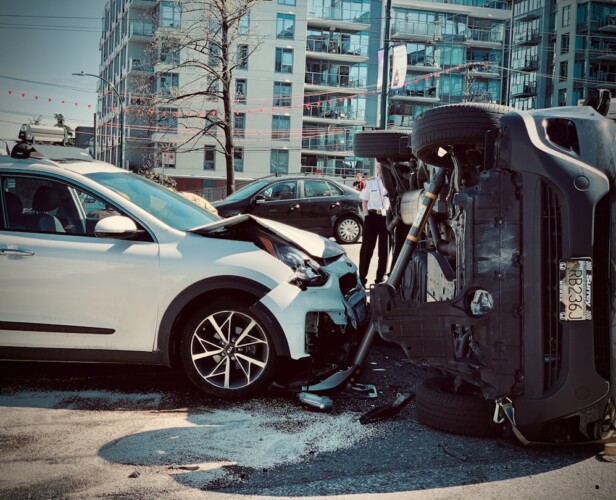
When a deer unexpectedly crosses the road, it can lead to sudden, hazardous driving situations. If a deer causes you to crash into another car, several legal, financial, and personal implications arise. Understanding these outcomes is crucial for every driver. This blog explores what happens if a deer causes you to crash into another vehicle, detailing liability, insurance claims, and safety measures to consider.
Immediate Steps to Take After a Crash
After any accident involving a deer, your first priority should be your safety and the safety of others involved. Here’s how to respond:
1. Ensure Safety
- Move your vehicle to a safe location if possible.
- Turn on hazard lights to alert other drivers.
- Check for injuries among passengers and other drivers.
2. Call Emergency Services
If there are injuries or significant vehicle damage, call 911 immediately. Document the incident accurately, as this will be crucial for insurance claims.
3. Document the Scene
Take photographs of:
- The crash site
- The vehicles involved
- The deer, if it is present
- Any visible damages or injuries
Understanding Liability in Deer-Related Crashes
Liability can be complex when a deer causes an accident. Here’s what you need to know:
1. Assessing Negligence
In most cases, hitting a deer is considered an unavoidable circumstance, which means the driver may not be held liable. However, if you were speeding or not paying attention, your level of negligence could come into question.
2. States with “No-Fault” Laws
In no-fault states, your own insurance covers your medical bills and damages, regardless of who caused the accident. This can simplify claims after striking a deer or another vehicle.
Insurance Implications
Understanding your insurance coverage is vital after a deer-related accident. Here are key points to consider:
1. Collision Coverage
If you have collision coverage, it typically covers damage to your vehicle after hitting a deer or another car. You will pay a deductible, and then your insurer will cover the rest up to your policy limits.
2. Comprehensive Coverage
Comprehensive coverage also covers accidents involving animals. If a deer causes a crash, you can file a claim under this provision, often without a deductible depending on your policy.
3. Liability Coverage
In case you are at fault for the collision with another vehicle, your liability insurance will cover damages to the other car and any medical bills incurred by the other driver.
Potential Costs After the Accident
The costs incurred due to an accident involving a deer can vary significantly. Here are some of the potential expenses:
1. Vehicle Repair Costs
Repair costs depend on the extent of the damage. Minor fender-benders may cost a few hundred dollars, while more significant wrecks can exceed thousands.
2. Medical Expenses
If injuries occur, medical expenses can add up quickly. These may include:
- Emergency room visits
- Hospital stays
- Rehabilitation
3. Increased Insurance Premiums
After filing a claim, expect your insurance premiums to potentially increase, especially if you are found liable for the accident. Statistics show that claims can lead to premium hikes of up to 30% in some states.
Preventative Measures When Driving in Deer Country
To minimize the risks of deer-related accidents, implement these preventative strategies:
1. Stay Alert
Remain vigilant in areas known for high deer activity, particularly during dawn and dusk when they are most active.
2. Use High Beams Wisely
Utilize high beams when there is no opposing traffic. This can help illuminate the road better and give you more time to react to a deer crossing.
3. Observe Signs
- Follow posted deer crossing signs.
- Reduce speed in areas where deer sightings have been frequent.
Conclusion
Crashing into another car due to a deer can lead to complicated circumstances concerning liability, insurance claims, and financial burden. Understanding the immediate steps to take after such an accident and knowing your coverage options are crucial for navigating the aftermath effectively. By staying informed and implementing safety measures, drivers can reduce the risk of deer-related crashes in the future.