The Importance Of Sustainable Energy Solutions?

Sustainable energy solutions are essential for combating climate change, ensuring energy security, and promoting economic development. This blog explores the importance of these solutions, detailing their benefits, types, challenges, and future prospects.
What Are Sustainable Energy Solutions?
Sustainable energy solutions encompass a range of methods and technologies aimed at providing energy in a manner that is environmentally friendly and economically viable. These solutions prioritize renewable resources like solar, wind, hydroelectric, and geothermal energy while minimizing reliance on fossil fuels.
Key Features of Sustainable Energy
- Renewability: Sources such as solar and wind are inexhaustible.
- Low Environmental Impact: Sustainable energy solutions reduce greenhouse gas emissions significantly.
- Energy Security: They diversify energy sources, reducing vulnerability to fuel supply disruptions.
- Affordability: Over time, sustainable energy often becomes cheaper than fossil fuels due to decreasing technology costs.
Why Are Sustainable Energy Solutions Important?
The importance of sustainable energy solutions extends beyond environmental concerns; they impact economic stability, public health, and geopolitical dynamics.
1. Combating Climate Change
Transitioning to sustainable energy is crucial for mitigating the impacts of climate change. Fossil fuel emissions contribute to global warming, resulting in extreme weather events, rising sea levels, and biodiversity loss.
- Reduction of Carbon Footprint: Implementing renewable energy can drastically lower carbon emissions.
- Enhancing Resilience: Sustainable energy systems are often more resilient to climate effects, ensuring reliable power even in adverse conditions.
2. Promoting Economic Development
Sustainable energy solutions can stimulate local economies. By investing in renewable energy infrastructures, countries can create jobs and encourage innovation.
- Job Creation: The renewable energy sector employed over 11 million people worldwide in 2018, with numbers projected to grow annually.
- Investment Opportunities: Nations investing in clean energy attract capital and technological advancements, spurring further economic growth.
3. Enhancing Energy Security
Diverse energy sources enhance a nation’s energy security. Relying on a single source or supplier can pose risks, especially during political tensions or resource scarcity.
- Diverse Supply Chain: Using a mix of renewable sources results in a more stable energy supply.
- Local Energy Production: Sustainable energy reduces dependence on imported fuels, promoting self-sufficiency.
4. Improving Public Health
The transition to sustainable energy has substantial health benefits linked to reduced air pollution. Fossil fuel combustion generates harmful pollutants contributing to respiratory diseases and other health issues.
- Cleaner Air: Renewables emit little to no air pollutants compared to fossil fuels.
- Lower Healthcare Costs: Reduced health complications from pollution translate into significant savings for healthcare systems.
Types of Sustainable Energy Solutions
Various sustainable energy technologies exist, each serving distinct needs and environments. The following are the most prevalent types:
1. Solar Energy
Solar power harnesses energy from the sun using photovoltaic (PV) panels and solar thermal systems. It is particularly effective in regions with high solar insolation.
- Photovoltaic Panels: Convert sunlight directly into electricity.
- Solar Thermal Systems: Use the sun’s heat for water heating or space heating.
2. Wind Energy
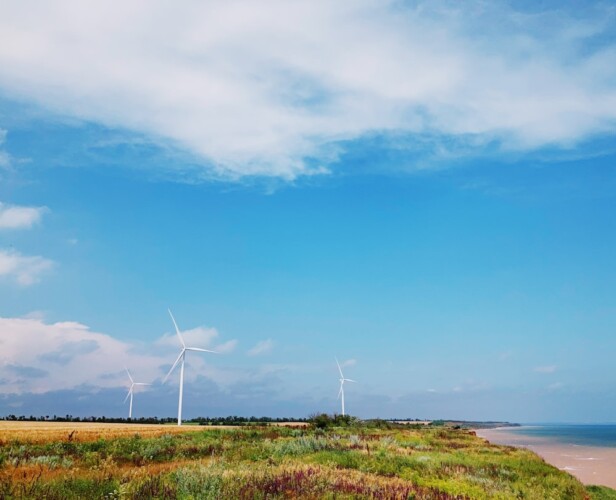
Wind energy utilizes turbines to convert wind kinetic energy into electricity. Wind farms can be onshore or offshore, taking advantage of different wind patterns.
- Onshore Wind Farms: Found on land, generating power from local wind currents.
- Offshore Wind Farms: Installed in bodies of water, benefiting from stronger and more consistent winds.
3. Hydropower
Hydropower generates electricity by utilizing flowing water, typically from rivers or dams. It represents one of the oldest forms of renewable energy.
- Run-of-the-River Systems: Generate power without large reservoirs, minimizing ecological impact.
- Pumped Storage: Stores energy by pumping water uphill, releasing it to generate electricity when needed.
4. Geothermal Energy
Geothermal energy taps into the earth’s internal heat, providing a consistent energy source. It can be used for power generation or direct heating applications.
- Geothermal Power Plants: Convert steam or hot water from the earth into electricity.
- Direct Use Applications: Use geothermal heat directly for heating buildings or agricultural processes.
Challenges of Implementing Sustainable Energy Solutions
Despite their advantages, transitioning to sustainable energy solutions faces several challenges:
1. Initial Costs
Although renewable energy technologies often lead to lower long-term expenses, the initial investment can be substantial. For example, the cost of solar panel installation can deter some consumers and businesses.
2. Technological Barriers
Some sustainable energy technologies still require advancements for efficiency and affordability. Improvements must focus on energy storage, grid integration, and energy distribution.
3. Policy and Regulation
Lack of supportive government policies can hinder the growth of renewable energy sectors. Clear regulations and incentives are necessary to encourage investment.
4. Public Perception
Misunderstandings and misinformation about renewable energy can lead to resistance. Educational initiatives are essential to clarify the benefits and feasibility of sustainable solutions.
The Future of Sustainable Energy Solutions
The future of sustainable energy solutions looks promising, driven by technology innovations and growing global awareness. Key trends include:
1. Advancements in Energy Storage
Improving battery technologies will enhance energy storage capabilities, making renewable sources like solar and wind more reliable.
2. Decentralized Energy Systems
Decentralized energy production, such as microgrids and community solar projects, empowers individuals and communities to generate their own energy.
3. Smart Grids
Integration of smart grid technologies will