How To Find Out If A Car Has Been In An Accident?

When considering a used car purchase, it’s crucial to determine whether that vehicle has been involved in an accident. Knowing the accident history can significantly impact your buying decision, affecting not only safety but also the resale value of the car. This guide will help you uncover how to find out if a car has been in an accident, ensuring you make an informed choice.
Understanding Accident History Reports
To find out if a car has been in an accident, reviewing its accident history is a foundational step. Here’s how to navigate this process:
1. Obtain a Vehicle History Report
Vehicle history reports provide detailed information about a car’s past, including accident history, title issues, and service records. Here’s how to obtain one:
- Visit a reputable service: Sites like Carfax or AutoCheck specialize in compiling vehicle history reports.
- Provide the VIN: The Vehicle Identification Number (VIN) is essential for retrieving accurate information. You can usually find this number on the dashboard near the windshield or on the driver’s side door frame.
- Purchase the report: Expect to pay a fee, typically ranging from $20 to $40 for a comprehensive report.
2. Understand the Report Contents
After obtaining the vehicle history report, focus on specific sections to identify potential accidents:
- Accident Section: Look for any recorded accidents, including dates, types of accidents, and the severity of damages.
- Title Information: Ensure the title is clean without salvage or rebuilt designations, which may indicate prior severe damage.
- Service Records: Check for repairs related to accidents, such as frame repairs or airbag replacements.
Inspecting the Vehicle Physically
While reports are valuable, a physical inspection can reveal hidden damages not documented in history reports. Consider these tips:
1. Look for Signs of Bodywork
Pay attention to the following aspects of the car’s exterior:
- Uneven Gaps: Inspect the alignment between doors, hoods, and fenders. Uneven gaps may suggest bodywork after an accident.
- Paint Differences: Look for variations in paint texture or shade that could indicate repainting after repairs.
- Worn Parts: Examine parts like bumpers and fenders for scratches and dents that seem inconsistent with the rest of the vehicle.
2. Check for Frame Damage
Frame damage can compromise the integrity of the vehicle. Look for:
- Rust or Corrosion: Inspect the undercarriage for signs of rust that may indicate prior damage or improper repairs.
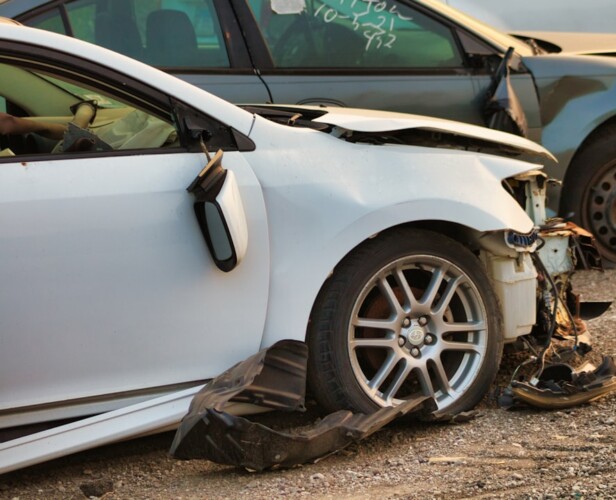
- Crumpled Metal: Check for distortions in the frame structure itself; any crumpling could signify a serious accident.
Utilizing Online Tools and Resources
Various online tools can supplement your research about a vehicle’s accident history:
1. Check with State Agencies
State Departments of Motor Vehicles (DMVs) often maintain records of accidents. To access this information:
- Visit the DMV website: Many states allow online requests for accident reports.
- Request a Title Search: Provide the VIN to check for previous accident records tied to the title.
2. Use Insurance Company Records
Insurance companies maintain records of claims made against their policies, which can reveal accident history. Consider contacting:
- The current owner’s insurance provider: They may disclose whether there have been any claims related to accidents, provided you have permission.
- Your own insurance company: They might offer insights into accident history based on their records.
Ask the Seller Directly
While it might seem straightforward, directly asking the seller about the car’s accident history can yield useful information:
1. Prepare Specific Questions
Formulate questions that elicit clear answers:
- “Has the car ever been in an accident?” Directly ask about the accident history.
- “What repairs were made after any incidents?” Seek specifics on repairs to gauge the extent of damage.
- “Do you have any documentation of accidents or repairs?” Request supporting documentation if they claim no accidents occurred.
2. Analyze Their Response
A seller’s response can give clues about the honesty of their statements. Consider:
- Confidence in Answers: A knowledgeable seller should confidently discuss the car’s history.
- Willingness to Provide Documentation: Be cautious if they refuse to share documentation or seem evasive.
Consult a Third-Party Mechanic
If doubts remain about the vehicle’s condition, hiring a trusted mechanic for a pre-purchase inspection offers peace of mind:
- Comprehensive Vehicle Inspection: A mechanic can check for hidden damage that is not visible during a casual inspection.
- Diagnostic Tests: Advanced diagnostics can reveal issues like airbag deployment and structural integrity.
Conclusion
Finding out if a car has been in an accident is essential for making an informed purchasing decision. By obtaining vehicle history reports, conducting thorough inspections, leveraging online resources, and consulting professionals, potential buyers can assess a vehicle’s true condition. Protect your investment by ensuring you have all the necessary information before completing a purchase.