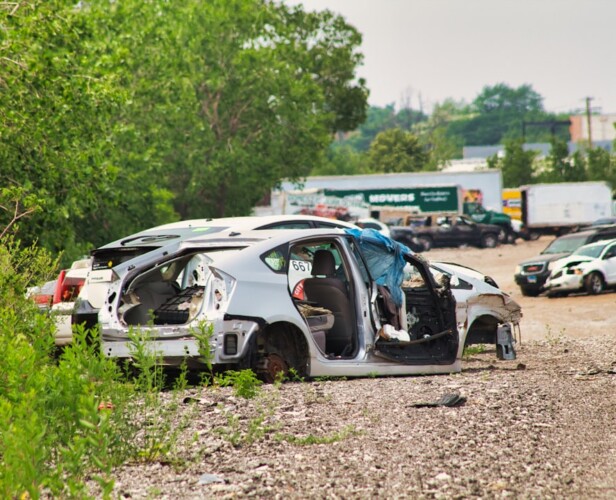
How Do People Die From Car Accidents?
Car accidents are a leading cause of death worldwide, resulting in various fatalities due to different circumstances. Understanding how people die from car accidents is crucial to enhancing safety measures and reducing fatality rates. This article explores the primary causes of death in car accidents, the types of injuries sustained, and strategies for prevention.
Key Causes of Fatal Car Accidents
To understand how people die from car accidents, it is essential to identify the most common causes. The following factors significantly contribute to fatal incidents:
1. Distracted Driving
Distracted driving is one of the leading causes of car accidents. Drivers who engage with their phones, eat, or manipulate the radio divert their attention from the road. According to the National Highway Traffic Safety Administration (NHTSA), distracted driving accounted for approximately 9% of all fatal crashes in 2020.
2. Speeding
Speeding increases the severity of crashes, as higher speeds reduce a driver’s ability to react quickly and increase the force of impact. In 2020, speeding contributed to 29% of all traffic fatalities in the United States. The relationship between speed and fatality risk is alarming.
3. Driving Under the Influence
Driving under the influence of alcohol or drugs dramatically increases the risk of fatal accidents. The Centers for Disease Control and Prevention (CDC) reports that 29 people die daily in the U.S. due to drunk driving crashes. Impaired judgment and slowed reaction times play significant roles in these tragedies.
4. Weather Conditions
Adverse weather conditions, such as rain, snow, or fog, can lead to fatalities by making roads slick and visibility poor. According to the Federal Highway Administration, over 5,000 fatalities occur each year due to weather-related crashes.
5. Vehicle Defects and Maintenance Issues
Poorly maintained vehicles with defects can also lead to fatal accidents. Examples include brake failures, tire blowouts, and malfunctioning lights. Regular maintenance and inspections are vital to ensure vehicle safety.
Types of Injuries Leading to Death in Car Accidents
Understanding the types of injuries sustained during car accidents reveals how they lead to fatalities. Here are some common injuries resulting from such incidents:
1. Traumatic Brain Injury (TBI)
TBI occurs when an external force injures the brain. In car accidents, passengers can sustain TBIs due to sudden stops or impacts. TBIs can lead to severe complications, including death if not treated promptly.
2. Spinal Cord Injuries
Spinal cord injuries can result in paralysis or loss of function below the injury site. Such injuries often lead to complications that can be fatal. In severe cases, respiratory failure may occur if the nerves controlling breathing are affected.
3. Internal Organ Damage
In a crash, the force of impact can rupture internal organs, leading to severe bleeding or organ failure. Injuries to the liver, spleen, or kidneys can be life-threatening without immediate medical intervention.
4. Fractures and Crush Injuries
Fractures, particularly in the pelvis or skull, can lead to significant complications or death. Crush injuries can damage blood vessels and nerves, leading to amputations or infection, which can be fatal.
Preventing Fatalities from Car Accidents
While understanding how people die from car accidents is critical, implementing preventative measures is equally important. Here are several strategies to reduce fatalities:
- Promote Safe Driving Education: Educational programs can inform drivers about the dangers of distracted driving, speeding, and impaired driving.
- Increase Law Enforcement: Stringent enforcement of traffic laws can deter risky behaviors like speeding and drunk driving.
- Encourage Use of Seatbelts: Wearing seatbelts reduces the risk of serious injury or death in an accident. Campaigns to encourage seatbelt use can save lives.
- Implement Advanced Vehicle Safety Features: Modern cars equipped with technologies like automatic braking, lane departure warnings, and collision avoidance systems can help prevent accidents.
- Conduct Regular Vehicle Maintenance: Ensuring that vehicles are well-maintained can prevent accidents caused by mechanical failures.
Conclusion
Car accidents remain a severe public health issue, causing a significant number of fatalities yearly. Understanding how people die from car accidents—through distractions, speeding, impairment, adverse weather, and vehicle defects—allows society to tackle the problem more effectively. By promoting safe driving practices, implementing stricter laws, and advancing vehicle safety technology, we can work towards reducing the number of lives lost in tragic car crashes. Awareness and education are key components in this ongoing effort.