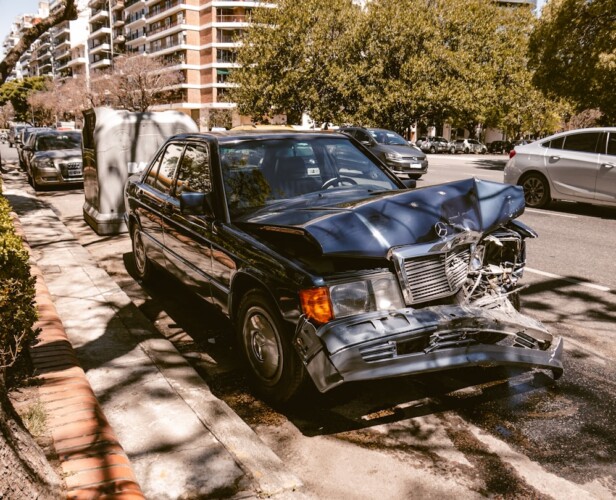
Can A Car Accident Cause A Herniated Disc?

Yes, a car accident can cause a herniated disc. The abrupt force and sudden movements associated with auto collisions can lead to traumatic injuries in the spine, including herniated discs. This blog explores the connection between car accidents and herniated discs, symptoms, treatment options, and preventive measures.
Understanding Herniated Discs
A herniated disc occurs when the soft inner gel of a spinal disc protrudes through a tear in the tougher exterior. This displacement can compress nearby nerves, resulting in pain, numbness, or weakness. Understanding the anatomy involved helps clarify how trauma can lead to such an injury.
Spinal Anatomy
- Vertebrae: These are the individual bones stacked to form the spine.
- Intervertebral Discs: Located between vertebrae, these discs provide cushioning and support.
- Spinal Nerves: Nerves exit the spinal column to communicate signals between the brain and body.
How Do Car Accidents Cause Herniated Discs?
Car accidents can expose the body to rapid acceleration and deceleration forces, leading to various types of injuries. Here are key ways these accidents contribute to herniated discs:
Mechanics of Impact
- Whiplash: This common neck injury occurs during rear-end collisions, causing stress on the cervical spine.
- Axial Loading: Sudden impacts can compress the spine vertically, pushing against the discs.
- Lateral Forces: Side impacts can create twisting motions, further damaging spinal structures.
Statistics on Car Accidents and Spine Injuries
Understanding the statistical landscape highlights the prevalence of spinal injuries after car accidents:
- Approximately 50% of individuals involved in serious car accidents experience some form of back injury.
- Research indicates that 20% to 30% of people involved in motor vehicle accidents develop chronic pain, often due to structural issues like herniated discs.
Symptoms of a Herniated Disc
Recognizing the symptoms of a herniated disc is crucial for timely treatment. Common symptoms include:
- Pain: Localized pain in the back or neck, depending on the disc location.
- Numbness: Tingling or loss of sensation in the extremities.
- Weakness: Difficulty lifting objects or performing normal activities.
- Radiating Pain: Pain traveling down the arms or legs.
When to Seek Medical Attention
If any of the following symptoms occur, seek medical help immediately:
- Severe or worsening pain that does not improve with rest.
- Loss of bladder or bowel control.
- Difficulty walking or standing.
Diagnosing a Herniated Disc After a Car Accident
The diagnosis process is essential for effective treatment. Steps typically involved in the diagnosis are:
Medical Examination
Doctors will conduct a thorough physical exam, checking for:
- Range of motion limitations.
- Muscle strength deficits.
- Reflexes in the legs and arms.
Imaging Tests
To confirm a herniated disc diagnosis, doctors may order:
- X-rays: To rule out fractures or structural abnormalities.
- MRIs: To visualize the spinal column and surrounding tissues.
- CT Scans: For detailed views of the vertebrae and discs.
Treatment Options for Herniated Discs
Treatment aims to alleviate pain and restore function. Depending on the severity, options include:
Conservative Treatments
- Physical Therapy: Exercises tailored to strengthen the back and improve flexibility.
- Medications: Nonsteroidal anti-inflammatory drugs (NSAIDs) or corticosteroids to reduce inflammation.
- Rest: Temporary activity modification to promote healing.
Advanced Treatment Options
If conservative treatments fail, more advanced interventions may be necessary:
- Epidural Steroid Injections: To reduce inflammation around the affected nerve roots.
- Surgery: Procedures like discectomy or spinal fusion might be considered for severe cases.
Preventive Measures to Avoid Herniated Discs
While not all herniated discs can be prevented, taking proactive steps significantly reduces risk:
Driving Safety Tips
Implement these strategies to promote safety while driving:
- Always wear seatbelts to minimize injury impact.
- Avoid distractions like texting or using mobile devices while driving.
- Maintain a safe distance from other vehicles to allow for sudden stops.
Posture and Ergonomics
Improve daily posture to protect your spine:
- Practice correct sitting and standing posture.
- Use ergonomic chairs and desks to support the lower back while working.
- Engage in regular exercise to strengthen core muscles, providing better spinal support.
Conclusion
In conclusion, a car accident can indeed cause a herniated disc due to the sudden forces involved in collisions. Awareness of symptoms, prompt diagnosis, and effective treatment are vital for recovery. Furthermore, practicing prevention strategies can significantly reduce the risk of sustaining such injuries. Always consult a healthcare professional if you suspect a herniated disc or are involved in an automobile accident to ensure proper care and management.