Are Off-Road Vehicle Accidents Handled Differently?

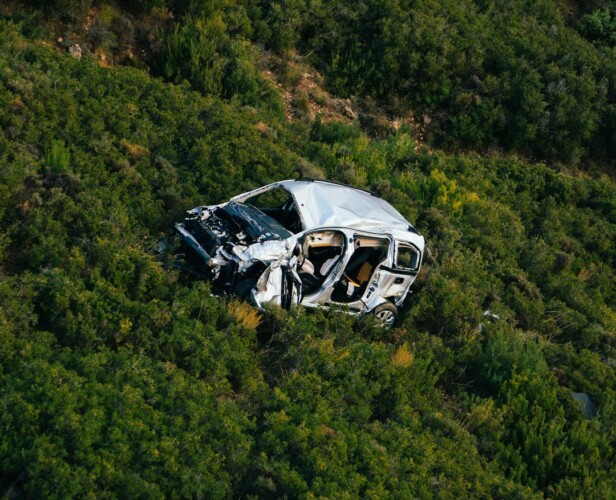
Off-road vehicle accidents are handled differently than traditional vehicle accidents due to the unique circumstances and inherent risks associated with off-road environments. Factors such as location, terrain, and safety regulations can significantly alter the legal and insurance processes involved in these incidents.
Understanding Off-Road Vehicle Accidents
To comprehend how off-road vehicle accidents are treated, it’s essential to define what constitutes an off-road vehicle. Off-road vehicles include:
- All-terrain vehicles (ATVs)
- Motocross bikes
- Side-by-sides (UTVs)
- Dune buggies
- Snowmobiles
These vehicles are designed for rugged terrains, making them popular for recreational use. However, their operation also poses increased risks of accidents compared to traditional vehicles. The unique environment in which they operate plays a critical role in how claims and accidents are managed.
Legal Implications of Off-Road Vehicle Accidents
One major distinction in handling off-road vehicle accidents is the legal framework governing them. Unlike on-road vehicles, off-road vehicles may not be subject to the same comprehensive traffic laws. Here’s how the legal implications differ:
1. Licensing and Registration
In many states, off-road vehicles do not require the same licensing and registration as cars or trucks. This lack of regulation complicates legal responsibility in the event of an accident.
2. Liability and Negligence Laws
Liability in off-road accidents often hinges on negligence. Determining fault can be more complex because:
- Many off-road areas are privately owned.
- Safety practices may vary significantly between regions.
- Environmental conditions can change quickly, affecting vehicle handling.
3. Insurance Considerations
Insurance policies for off-road vehicles often differ from standard vehicle insurance. Key points include:
- Many off-road vehicles require specialized insurance covering trail riding and competitive events.
- Standard auto insurance may not cover off-road incidents, necessitating additional policies.
Safety Regulations and Requirements
Safety regulations for off-road vehicles can vary widely based on the jurisdiction and type of vehicle. Understanding these regulations is crucial for both prevention and legal handling of accidents.
1. Required Safety Gear
Operators of off-road vehicles must often wear specific safety gear. Common requirements include:
- Helmets
- Goggles
- Protective clothing
2. Age Restrictions
Many regions impose age restrictions for operating off-road vehicles. For example, some states prohibit individuals under 16 from riding certain ATVs without supervision. This regulation impacts liability in accidents involving minors.
Accident Response and Reporting
Responding to an off-road vehicle accident requires a different approach than on-road incidents. Here’s how to handle the situation effectively:
1. Immediate Actions After an Accident
After an off-road vehicle accident, take the following steps:
- Check for injuries and ensure everyone is safe.
- Move vehicles to a safe location if possible.
- Call emergency services if injuries are present.
- Document the accident scene with photos.
- Gather witness information, if available.
2. Reporting the Incident
Accidents should be reported according to state and local laws. Depending on the location, it may be necessary to report the incident to:
- The local law enforcement agency
- The property owner (if on private land)
- Your insurance company
Common Types of Off-Road Vehicle Accidents
Off-road vehicle accidents can vary significantly in nature. Here are some common types:
1. Rollovers
Rollovers frequently occur due to unstable terrain or operator inexperience. These accidents often lead to severe injuries.
2. Collisions with Other Vehicles
Collisions may involve other off-road vehicles or obstacles in the environment, such as trees or rocks. Proper spacing and awareness can mitigate these risks.
3. Falls
Falls from vehicles are common, especially with inexperienced riders. Wearing safety gear can greatly reduce injury severity.
Insurance Claims for Off-Road Vehicle Accidents
Filing insurance claims for off-road vehicle accidents differs from traditional vehicle claims. Consider the following factors:
1. Gathering Evidence
Collect comprehensive evidence, including photographs, eyewitness accounts, and any medical reports related to injuries sustained during the accident. This data is vital for successful claims.
2. Understanding Policy Limits
Be aware of your policy limits, coverage details, and any exclusions that might apply to off-road incidents. Not all policies extend coverage to off-road use.
3. Working with Specialists
Consider hiring an attorney specializing in off-road vehicle accidents to navigate complex legal and insurance issues effectively.
Conclusion
Off-road vehicle accidents are indeed handled differently compared to traditional vehicle accidents. Factors including legal frameworks, safety regulations, and insurance policies create a distinct landscape for these incidents. Understanding these differences is crucial for operators and owners of off-road vehicles to navigate the aftermath of an accident effectively. By adhering to safety guidelines and knowing how to respond in the event of an accident, riders can better protect themselves and mitigate potential legal and financial repercussions.