How To Effectively Manage Stress In A Fast-Paced World?

In today’s fast-paced world, managing stress is essential for maintaining both mental and physical health. With the constant demands of work, family, and social obligations, stress can quickly become overwhelming. To effectively manage stress, it is important to develop strategies that fit into your daily life. This blog will provide actionable tips and methods for reducing stress and improving overall well-being.
Understand the Sources of Stress
To manage stress effectively, the first step is identifying its sources. Understanding what triggers your stress can help you develop strategies to mitigate it.
Common Sources of Stress
- Work-Related Issues: High workloads, tight deadlines, and office conflicts can contribute significantly to stress levels.
- Financial Concerns: Uncertainty about finances or unexpected expenses can create anxiety and stress.
- Personal Relationships: Conflicts with family or friends can lead to emotional strain.
- Health Issues: Chronic health problems or sudden medical conditions can be a major source of stress.
Implement Effective Stress Management Techniques
Once you identify your sources of stress, the next step is to implement effective management techniques. Here are several methods to reduce stress in your daily life.
1. Practice Mindfulness and Meditation
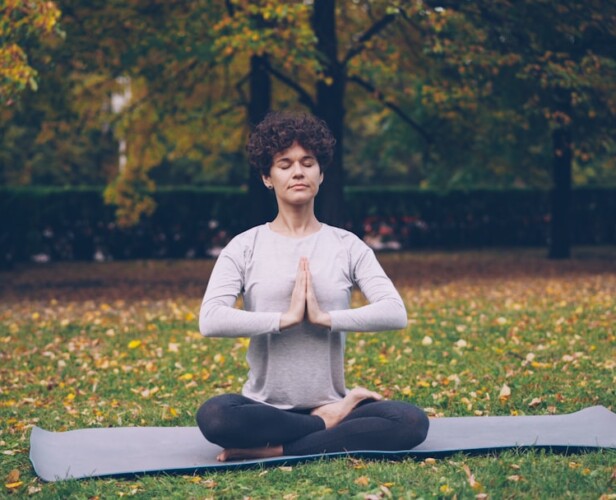
Mindfulness and meditation are powerful tools for managing stress. By focusing on the present moment, you can reduce anxiety about the past or future.
- Daily Meditation: Set aside 10-15 minutes each day to practice meditation. Focus on your breath and allow thoughts to come and go without judgment.
- Mindful Breathing: During stressful moments, take deep breaths, inhaling for a count of four and exhaling for a count of four to calm your nervous system.
2. Exercise Regularly
Exercise is one of the most effective ways to combat stress. Physical activity releases endorphins, which improve mood and reduce stress.
- Aerobic Exercise: Engage in activities like running, swimming, or cycling for at least 30 minutes, three times a week.
- Yoga: Practicing yoga combines physical movement with mindfulness and can significantly reduce stress levels.
3. Maintain a Healthy Diet
Your diet can greatly affect your stress levels. Eating a balanced diet can help improve your mood and energy levels.
- Hydrate: Drink plenty of water throughout the day to stay hydrated, as dehydration can exacerbate stress.
- Nutritious Foods: Incorporate fruits, vegetables, whole grains, and lean proteins into your diet. Foods rich in omega-3 fatty acids, such as salmon and walnuts, can also help lower stress.
4. Prioritize Sleep
Quality sleep is crucial for managing stress. Poor sleep can lead to increased anxiety and decreased performance.
- Establish a Sleep Routine: Go to bed and wake up at the same time each day to regulate your body’s internal clock.
- Create a Restful Environment: Make your bedroom conducive to sleep by keeping it dark, quiet, and cool.
Develop Time Management Skills
Effective time management can alleviate stress by helping you prioritize tasks and utilize your time efficiently.
1. Make a To-Do List
Creating a to-do list allows you to visualize your tasks and manage them effectively.
- Daily Lists: Write down tasks for the day each morning to give you a clear plan.
- Prioritize Tasks: Use a numbering system to rank tasks by urgency and importance.
2. Set Realistic Goals
Setting achievable goals can prevent feelings of overwhelm.
- SMART Goals: Create Specific, Measurable, Achievable, Relevant, and Time-bound goals.
- Break Down Tasks: Divide larger tasks into smaller, more manageable steps to avoid becoming overwhelmed.
Seek Support
Don’t hesitate to seek support from friends, family, or professionals when feeling stressed.
1. Communicate with Others
Talking about your stress can lighten your burden and help you gain perspective.
- Join Support Groups: Connecting with others facing similar challenges can provide comfort and advice.
- Talk to Friends: Share your feelings with trusted friends who can offer encouragement and support.
2. Professional Help
If stress becomes unmanageable, consider seeking help from a mental health professional.
- Counseling: A therapist can provide strategies and coping mechanisms tailored to your situation.
- Stress Management Workshops: Attend workshops that teach effective stress reduction techniques.
Limit Exposure to Stressors
To manage stress effectively, it can be beneficial to limit exposure to known stressors.
1. Set Boundaries
Establishing clear boundaries can help protect your time and energy.
- Saying No: Learn to decline additional responsibilities that would overwhelm you.
- Designate Work Hours: Limit work discussions and tasks to specific hours to separate work from personal time.
2. Minimize Media Consumption
Constant exposure to news and social media can heighten stress levels.
- Limit News Intake: Designate specific times for checking the news instead of constantly following updates.
- Curate Social Media Feeds: Unfollow accounts that trigger stress or negativity.
Embrace Relaxation Techniques
Incorporating relaxation techniques into your daily routine can significantly reduce stress levels.
1. Progressive Muscle Relaxation
This technique involves tensing and then relaxing each muscle group in your body to release tension.
- Start at Your Toes: Tense the muscles in your toes, hold for five seconds, and then release.
<